Daily checks matter
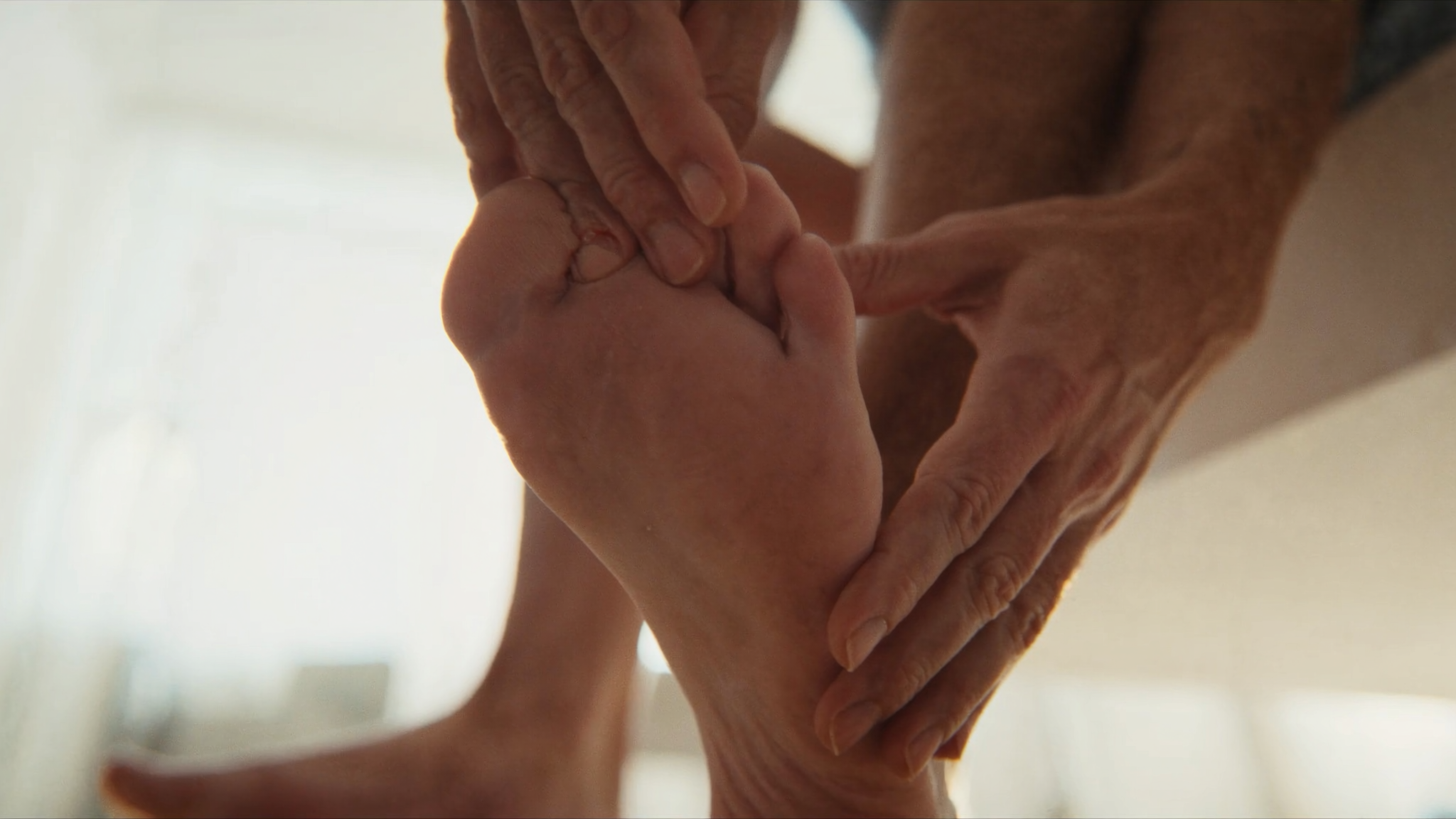
Patients with diabetes should look at their feet every day, including the bottoms of the feet, heels, toenails, and between the toes. Diabetes can reduce feeling and circulation, so a small blister, cut, or pressure spot may not hurt right away even when it needs attention.
What to look for
Watch for redness, swelling, drainage, cuts, blisters, cracks, color change, warmth, odor, new pain, or areas that look rubbed by shoes. Calluses should also be monitored because thick skin can hide pressure underneath, especially when feeling in the feet is reduced.
How podiatry helps
Regular podiatry visits can include nail care, callus care, skin checks, sensation testing, circulation screening, footwear guidance, and prevention planning. These visits are meant to catch problems early and reduce the chance of infection, wounds, and more serious complications.
When to call promptly
Patients with diabetes should call quickly for any open sore, spreading redness, drainage, sudden swelling, black or blue skin changes, or a new wound. Home treatment can be risky when circulation or sensation is affected.
This article is educational and does not replace an exam. If symptoms are severe, worsening, or related to diabetes, circulation concerns, infection, or a wound, call the office promptly.